Have you ever tried to access your router settings and found yourself stuck at the login page? Maybe you typed “192.168.l.254” into your browser and wondered why it was not working. I remember the first time I attempted to change my WiFi password. I spent nearly twenty minutes trying to figure out why my router would not let me in. The problem was simple but incredibly frustrating. I was typing the letter “l” instead of the number “1” in the IP address.
This common mistake happens to countless people every single day. The correct IP address is 192.168.1.254, using the number one, not the lowercase letter L. This might seem like a tiny detail, but it makes all the difference when you are trying to access your router’s admin panel.
In this comprehensive guide, I will walk you through everything you need to know about 192.168.1.254. Whether you are trying to access your router for the first time, change your WiFi password, or troubleshoot connection problems, this article will help you understand the process step by step. I have personally dealt with most of these issues over the years, and I want to share practical solutions that actually work.
Understanding What 192.168.1.254 Really Is
Before we jump into the technical stuff, let me explain what 192.168.1.254 actually represents. This is what we call a private IP address. Think of it as the home address of your router within your local network. Just like your house has a street address that mail carriers use to find you, your router has an IP address that your devices use to communicate with it.
The numbers 192.168.x.x are reserved specifically for private networks. This means they only work within your home or office network and cannot be accessed from the internet. This is actually a good thing because it adds an extra layer of security to your home network.
Different router manufacturers use different default IP addresses. While some popular brands like Linksys and Cisco often use 192.168.1.1, other routers from manufacturers like Thomson, SpeedTouch, and some models from other companies use 192.168.1.254 as their default gateway address.
I learned this the hard way when I moved to a new apartment and tried to set up my internet. My previous router used 192.168.1.1, so I automatically assumed my new one would too. After several failed attempts, I finally checked the router’s label and discovered it used 192.168.1.254 instead. That small sticker on the bottom of your router can save you tons of time and frustration.
The IP address serves as the gateway between your local devices and the router’s configuration panel. When you type this address into your web browser, you are essentially asking to speak directly with your router. The router then presents you with a login page where you can access all its settings and features.
How to Access 192.168.1.254 Step by Step
Accessing your router through 192.168.1.254 is actually quite straightforward once you know the proper steps. I will guide you through this process as if I were sitting right next to you, helping you set things up.
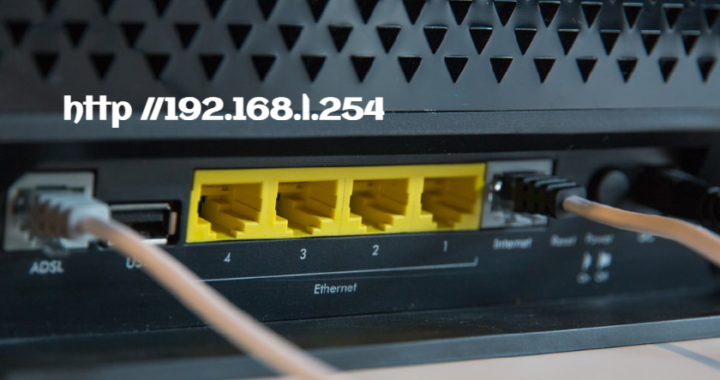
First, make sure your computer or device is connected to your router. You can do this either through a WiFi connection or by plugging an ethernet cable directly into one of the router’s LAN ports. I always recommend using a wired connection when you are making important changes to your router settings because it is more stable and less likely to disconnect in the middle of your configuration.
Once you are connected, open any web browser on your device. It does not matter if you use Chrome, Firefox, Safari, Edge, or any other browser. They all work the same way for this purpose. In the address bar at the top where you would normally type a website name, carefully type “192.168.1.254” and press Enter. Remember to use numbers, not letters, and make sure you include all the periods in the right places.
If everything is working correctly, you should see a login page appear. This page might look different depending on your router brand, but it will typically ask for a username and password. This is where many people get stuck, and I completely understand the frustration.
Most routers come with default login credentials. Common combinations include “admin” for both username and password, or “admin” as the username and “password” as the password. Some routers use blank fields, meaning you just leave the password empty. Check the sticker on your router or the manual that came with it. If you threw away the manual like I did with my first router, do not worry. You can usually find this information by searching online for your specific router model number plus the words “default password.”
When I first started working with routers, I made a spreadsheet of all the default passwords for different router brands. This has saved me countless hours over the years, especially when helping friends and family with their network issues.
After entering the correct credentials, you should be taken to the router’s admin panel. This is your command center for everything related to your home network. The interface might look a bit overwhelming at first with all its menus and options, but do not let that scare you. Most people only need to access a few basic settings.
Configuring Your Router Through 192.168.1.254
Now that you are inside your router’s admin panel, let me show you how to make the most common and important changes. The very first thing I recommend doing is changing your WiFi password, especially if you are still using the default one that came with your router.
To change your WiFi password, look for a menu option that says something like “Wireless,” “WiFi Settings,” or “Wireless Security.” The exact wording varies by manufacturer, but it is usually pretty obvious. Once you find this section, you will see your current network name and password.
When creating a new WiFi password, make it strong but memorable. I once made the mistake of creating such a complicated password that I could not remember it myself and had to reset my router. The ideal password should be at least 12 characters long and include a mix of uppercase letters, lowercase letters, numbers, and symbols. However, it should also be something you can share with guests without having to spell it out letter by letter.
A trick I learned is to use a passphrase instead of a random string of characters. For example, “MyDogLoves2PlayInThe$unshine” is both strong and relatively easy to remember. Just make sure it is unique and not something easily guessable like your street address or birthday.
While you are in the wireless settings, take a moment to check your security type. It should be set to WPA2 or WPA3, which are currently the most secure options. If your router is still using WEP or WPA, change it immediately. These older security protocols are outdated and can be easily compromised.
Another important setting you might want to change is your network name, also called the SSID. This is what shows up when people search for available WiFi networks. You can name it whatever you want, but avoid using personal information like your name or address. I once had a neighbor who named his network “John.Smith.123.Main.Street” which was just asking for trouble.
Beyond the basics, your router’s admin panel gives you access to advanced features. You can set up parental controls to limit when certain devices can access the internet. You can configure port forwarding if you need to run a game server or access your home network remotely. You can also set up a guest network, which I highly recommend if you frequently have visitors who need WiFi access.
The guest network feature is brilliant because it allows visitors to use your internet without giving them access to your main network where your personal devices and files are located. I set this up after a friend accidentally infected his phone with malware and then connected to my main network, causing all sorts of problems.
Troubleshooting Common Problems with 192.168.1.254
Even with the best instructions, things sometimes go wrong. I have encountered pretty much every router problem imaginable, and I want to share solutions to the most common issues people face when trying to access 192.168.1.254.
The first and most frustrating problem is when the IP address simply will not load. You type 192.168.1.254 into your browser, press Enter, and nothing happens. Or worse, you get an error message saying the site cannot be reached. There are several reasons this might happen.
Start by checking your connection. Are you actually connected to the router? Look at your WiFi icon or check your ethernet cable. Sometimes the solution is as simple as reconnecting to the network. I cannot count how many times I have spent minutes troubleshooting only to realize my WiFi was turned off.
If you are definitely connected but still cannot access the page, the problem might be that your router uses a different IP address. Not all routers use 192.168.1.254. To find your actual router IP address, you need to check your network settings. On Windows, open Command Prompt and type “ipconfig” then press Enter. Look for the line that says “Default Gateway.” That number is your router’s IP address.
On Mac computers, go to System Preferences, click Network, select your connection, and click Advanced. Under the TCP/IP tab, you will see your router’s IP listed next to “Router.” On smartphones, the process varies by model, but you can usually find it in the WiFi settings by clicking the information icon next to your connected network.
Another common issue is forgetting your router login password, especially if you changed it from the default and did not write it down. I did this once and felt absolutely ridiculous. The only solution in this case is to reset your router to factory settings. This will erase all your custom configurations, but it will also restore the default username and password.
To reset your router, look for a small reset button, usually recessed into the router’s case. You will need a paperclip or pin to press it. Hold the button down for about 10 to 15 seconds while the router is powered on. The lights on the router will usually flash to indicate the reset is happening. Once it restarts, you can log in using the default credentials again.
Browser issues can also prevent you from accessing the router login page. Some browsers have aggressive security settings that block access to local IP addresses. If you are having trouble with one browser, try a different one. I keep multiple browsers installed on my computer specifically for situations like this.
Sometimes your browser cache can cause problems too. I once spent an hour troubleshooting a router that would not let me log in, only to discover that my browser was loading an old cached version of the login page. Clearing your browser cache and cookies can resolve this issue. You can also try opening the IP address in an incognito or private browsing window, which does not use cached data.
If you recently changed your router’s settings and now cannot access anything, you might have accidentally changed the router’s IP address itself. This happened to me when I was experimenting with advanced settings without really understanding what I was doing. If this happens, you will need to reset the router to factory settings using the method I described earlier.
Network interference can also cause connection problems. If you have multiple routers or networking devices in your home, they might be conflicting with each other. Make sure you are connected to the correct router and that you are using the right IP address for that specific device.
Security Best Practices for Your Router
Once you have successfully accessed and configured your router, it is crucial to implement proper security measures. Router security is something many people overlook, but it is incredibly important. Your router is the gateway to your entire home network, and if it is compromised, all your connected devices are at risk.
The absolute first thing you should do is change the default admin password for your router login. Not your WiFi password, but the password you use to access 192.168.1.254 itself. Many people never change this, which means anyone who knows the default password for your router model can access your network settings.
I learned about this vulnerability the hard way when a tech-savvy teenager in my apartment building accessed my router and changed my WiFi password as a prank. It was harmless in that case, but it could have been much worse. Someone with malicious intent could redirect your internet traffic, steal your data, or use your network for illegal activities.
Your router admin password should be completely different from your WiFi password and just as strong. Store it somewhere safe like a password manager. I use a dedicated notebook that I keep in a locked drawer, along with a backup copy in a password manager app.
Firmware updates are another critical security measure that too many people ignore. Router manufacturers regularly release firmware updates that fix security vulnerabilities and improve performance. Check for updates at least once every few months. Some modern routers can update automatically, which is a feature I always enable.
To check for firmware updates, log into your router admin panel and look for a section called “Firmware Update,” “Router Update,” or something similar. The router will usually check if a new version is available and guide you through the installation process. Never turn off your router during a firmware update as this can permanently damage the device.
Disable remote management unless you absolutely need it. This feature allows you to access your router settings from outside your home network, which sounds convenient but creates a significant security risk. I have only enabled this feature once, when I was managing network issues for my elderly parents who lived in another city, and I disabled it immediately after solving the problem.
Consider disabling WPS (WiFi Protected Setup) as well. While WPS makes it easy to connect devices to your network with the push of a button, it also creates a security vulnerability that hackers can exploit. I always disable this feature on any router I set up.
Conclusion
Understanding and properly configuring 192.168.1.254 does not have to be complicated or intimidating. Whether you are accessing your router for the first time, changing your WiFi password, or troubleshooting connection issues, the key is to approach the process methodically and patiently.
Remember that the most common mistake is typing the letter “l” instead of the number “1” in the IP address. Always double-check that you are using the correct IP address for your specific router model. Take the time to change default passwords, enable proper security settings, and keep your router’s firmware updated.
With the information and techniques I have shared in this guide, you should feel confident in managing your home network through your router’s admin panel. These skills are valuable and will serve you well whenever you need to make changes to your network configuration or solve connectivity problems.
Frequently Asked Questions
Q: Why does 192.168.l.254 not work when I type it in my browser?
A: The most common reason is that you are typing the lowercase letter “l” instead of the number “1”. The correct IP address is 192.168.1.254 with numbers, not letters. This is an extremely common mistake that trips up many people.
Q: What is the default username and password for 192.168.1.254?
A: Default credentials vary by router manufacturer. Common combinations include admin/admin, admin/password, or admin with a blank password field. Check the sticker on your router or search online for your specific router model’s default credentials.
Q: Can I access 192.168.1.254 from my phone?
A: Yes, you can access your router’s admin panel from any device connected to your network, including smartphones and tablets. Just open a web browser on your phone and type the IP address in the address bar exactly as you would on a computer.
Q: What should I do if I forgot my router admin password?
A: If you have forgotten the admin password and cannot access your router settings, you will need to perform a factory reset. Press and hold the reset button on your router for 10 to 15 seconds. This will restore all settings to default, including the admin password.
Q: Is 192.168.1.254 the same for all routers?
A: No, different router manufacturers use different default IP addresses. While 192.168.1.254 is common for some brands, others might use 192.168.1.1, 192.168.0.1, or other variations. Check your router’s documentation or use the ipconfig command to find your specific router’s IP address.
Q: Why can I not access 192.168.1.254 even though I am connected to WiFi?
A: This usually means either your router uses a different IP address, there is a browser cache issue, or your network connection is not properly established. Try clearing your browser cache, using a different browser, or checking your default gateway address using the ipconfig command.
Q: Is it safe to access my router settings over WiFi?
A: While it is generally safe, using a wired ethernet connection is more secure and stable when making important changes to your router configuration. This prevents accidental disconnections during critical updates.
Q: How often should I change my router admin password?
A: You should change your router admin password immediately after first setup and then periodically every few months, or immediately if you suspect unauthorized access. Always use a strong, unique password different from your WiFi password.