When I first learned about Hector’s dolphin, I was genuinely shocked that such a remarkable creature existed and that most people had never heard of it. These tiny dolphins are like the hidden gems of the ocean, quietly living in the waters around New Zealand, unaware that they’re becoming one of the most critically endangered marine mammals on our planet. As someone who has spent considerable time researching marine conservation, I’ve come to deeply appreciate just how special and urgent the situation surrounding these animals really is.
Understanding Hector’s Dolphin: A Rare Treasure
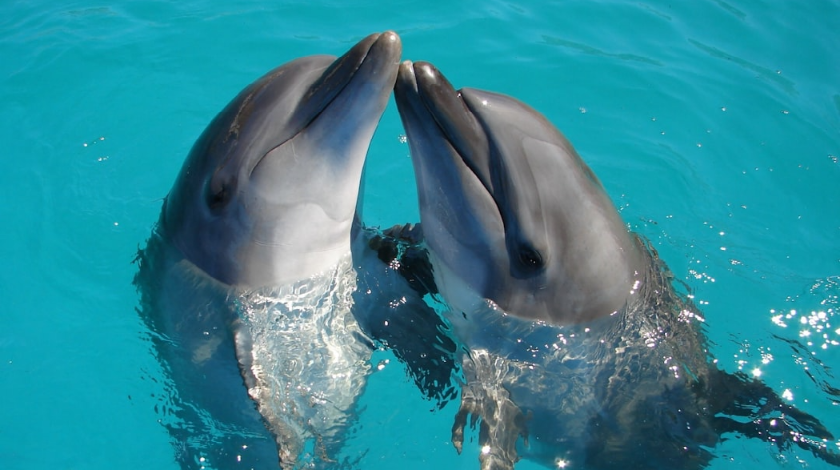
Let me start by painting you a picture of what Hector’s dolphin actually is. Imagine the smallest dolphin species in the entire world, and you’re looking at Hector’s dolphin. These creatures are native to New Zealand and are found nowhere else on Earth, making them truly endemic to that region. What makes them even more special is that they’re incredibly small compared to what most people think of when they imagine a dolphin. An adult Hector’s dolphin typically measures between 1.2 to 1.6 meters in length, which is roughly the size of a tall adult human. When you think about it, that’s absolutely tiny for a cetacean.
The scientific name for this species is Cephalorhynchus hectori, and it belongs to the family Delphinidae. What’s particularly interesting is that these dolphins were named after Hector, a famous zoologist from New Zealand, which shows how deeply connected this species is to the country where it lives. For many New Zealanders, Hector’s dolphin represents the unique biodiversity of their nation’s oceans and has become something of a national treasure.
Physically, these dolphins have a stocky build compared to other dolphin species. They’re built more like rugby players than sprinters, if you will. They have a rounded head without the prominent beak that many other dolphin species possess. Instead, they have what looks like a gentle slope from their forehead to their snout. Their coloring is quite distinctive too. Most Hector’s dolphins have a dark gray back with lighter gray sides and white undersides. But here’s where it gets really interesting: some individuals have unique patterns and markings that make them identifiable to researchers who have been studying them for years.
Geographic Range and Habitat Preferences
I’ve always found it fascinating how specific some creatures’ habitats are. Hector’s dolphins are exclusively found in New Zealand’s waters, and even more specifically, they prefer the cooler coastal regions. You’ll find them primarily around the South Island and the southwestern coast of the North Island. They’re not adventurous travelers; they like to stay in their familiar waters where the conditions suit them best.
These dolphins have a strong preference for shallow, coastal waters. They’re typically found in waters less than 100 meters deep, and they frequently venture into areas that are even shallower. This preference for coastal habitats is partly because that’s where they find their food most easily. The New Zealand coast provides abundant fish and squid species that form the bulk of their diet. However, this preference for shallow water also puts them in close proximity to human activities, which we’ll discuss later.
The waters around New Zealand where Hector’s dolphins live are generally cool and productive. The coastlines vary from rocky shores to sandy beaches, and the dolphins adapt well to these varying conditions. Their habitat is characterized by strong currents and upwellings that bring nutrient-rich water to the surface, supporting a healthy ecosystem that feeds the dolphins.
Distinctive Physical Characteristics
What strikes me most about Hector’s dolphins is how uniquely adapted they are to their specific environment. These animals have evolved over thousands of years to thrive in the waters of New Zealand, and their physical features reflect this perfectly. Their small size is actually an advantage in shallow coastal waters. It allows them to be more agile and maneuverable, which is essential when hunting in confined spaces between rocks and reefs.
Their skin is smooth and sensitive, allowing them to detect subtle changes in water pressure and vibrations. This is particularly important because they rely on echolocation to navigate and hunt. Their melon, which is the specialized fat structure in their forehead used for producing and focusing echolocation clicks, is perfectly proportioned for their smaller body size. The clicks they produce are high-frequency and allow them to detect even small fish in murky coastal waters.
Their flippers are relatively small and positioned low on their body, which again reflects their adaptation to shallow water hunting. Their dorsal fin is quite small and triangular, which might make them less conspicuous in shallow waters. Every physical feature of a Hector’s dolphin tells a story of adaptation and evolution in response to their specific ecological niche.
Social Behavior and Communication
One of the most rewarding aspects of studying marine mammals is understanding how they communicate and interact with each other. Hector’s dolphins are inherently social animals, though their group sizes are typically smaller than those of other dolphin species. Most Hector’s dolphins live in pods of between 3 to 10 individuals, though occasionally larger groups can form, especially during feeding times or migration periods.
These pods are often made up of family units, with mothers nursing calves and other dolphins helping to protect and teach the young. From what researchers have observed, females seem to have strong bonds with their offspring, which is typical of marine mammals generally. The social structure is complex and relies heavily on communication.
When it comes to communication, Hector’s dolphins use a variety of clicks, whistles, and other vocalizations. Each pod seems to have its own distinct calls and communication patterns, almost like a family accent. They use these vocalizations not just to navigate and hunt, but also to maintain social bonds. When dolphins are in close proximity to each other, they’re constantly exchanging information about food sources, potential threats, and their own emotional states.
The hunting behavior is particularly interesting to observe. When several Hector’s dolphins find a school of fish, they work together in a coordinated manner. They’ll position themselves to corner the fish, taking turns diving and feeding. This cooperative behavior increases their hunting success and ensures that all members of the pod have access to adequate food. It’s a beautiful example of how social animals can improve their survival chances through cooperation.
The Crisis: Why Hector’s Dolphins Are Critically Endangered
This is where the conversation becomes serious and, honestly, a bit heartbreaking. Hector’s dolphins have become one of the world’s rarest and most endangered marine mammals, and the reasons are primarily human-related. The population has declined dramatically over the past century, and current estimates suggest that only about 3,000 to 4,000 individuals remain in the wild. For context, some dolphin species have populations in the millions. This puts Hector’s dolphins in an extremely precarious position.
The primary threat to Hector’s dolphins comes from entanglement in fishing nets. New Zealand’s coastal waters are heavily fished, and dolphins are frequently caught in gillnets and other fishing equipment intended for fish. These accidental captures, called bycatch, kill hundreds of dolphins every year. Because the population is so small, losing even a few hundred individuals represents a significant percentage of the total population. A reproduction rate that’s relatively slow for dolphins means that the population cannot bounce back quickly from these losses.
Another significant threat comes from habitat degradation and pollution. Coastal development, including harbors and ports, disrupts their habitat. Additionally, chemical pollutants and microplastics accumulate in their bodies, potentially affecting their health and reproduction. Climate change is also beginning to impact the food availability in their waters, which adds additional stress to an already vulnerable population.
Boat strikes represent another threat. As more boats venture into New Zealand’s coastal waters, the risk of dolphins being struck increases. Even a relatively low-speed boat collision can seriously injure or kill a dolphin. Additionally, increased noise pollution from boats and marine infrastructure disrupts their communication and navigation abilities.
Disease is another concern that researchers are monitoring. Diseases like erysipelothrix and other bacterial infections have been found in some populations, and as the population becomes more stressed, they may become more susceptible to such illnesses.
Conservation Efforts Making a Difference
Despite the grim situation, there are genuine reasons for hope. New Zealand has implemented several conservation measures specifically designed to protect Hector’s dolphins. The government has established marine protected areas where fishing is restricted or banned entirely. These protected zones allow dolphin populations to breed and hunt without the constant threat of fishing nets.
One particularly effective measure has been the requirement for acoustic deterrent devices, known as “pingers,” on fishing nets in certain areas. These devices emit sounds that alert dolphins to the presence of nets, giving them a chance to avoid entanglement. Research has shown that when these devices are used properly, they significantly reduce dolphin deaths from bycatch.
Various conservation organizations and research institutions are working tirelessly to monitor populations and understand the challenges these dolphins face. Scientists conduct regular surveys to count the dolphins and assess their health. This research provides crucial data for making informed conservation decisions.
Community engagement has also proven vital. Local residents and tourism operators in New Zealand have become advocates for dolphin protection. Many support marine conservation efforts and participate in beach cleanups and habitat restoration projects.
Diet and Feeding Habits
Hector’s dolphins are carnivorous, and their diet consists primarily of small fish and squid. Their favorite food includes species like anchovies, silversides, and various other small fish found in New Zealand’s coastal waters. They also eat squid and sometimes small crustaceans. An adult Hector’s dolphin needs to consume approximately 3 to 5 percent of its body weight daily to maintain energy levels.
These dolphins are active hunters, and they employ sophisticated hunting strategies. They use their echolocation to locate prey with remarkable precision. Once they’ve found a school of fish, they work together with their pod members to isolate and catch their meal. They can dive to depths of about 200 meters, though they typically hunt in much shallower waters.
The feeding behavior of Hector’s dolphins demonstrates their intelligence and adaptability. They learn from other pod members which areas are productive for hunting and what times of day are best for feeding. Younger dolphins learn these skills by observing and imitating older, more experienced members of their pod.
Reproduction and Life Cycle
The reproductive cycle of Hector’s dolphins is another area where their small size becomes relevant. Female Hector’s dolphins reach sexual maturity at around 7 to 8 years of age, and they typically give birth to a single calf after a gestation period of about 10 to 11 months. The timing of births is often synchronized with the breeding season, which in New Zealand typically occurs in the spring and early summer.
A newborn calf is incredibly small, measuring only about 60 to 70 centimeters in length. The mother is fiercely protective and nurses her calf for approximately one to two years. During this time, other pod members often help keep watch over the young dolphin, providing protection and occasionally helping with feeding once the calf becomes weaned.
The bond between mother and calf is strong and can last throughout their lives. Young dolphins remain with their mother’s pod, gradually learning the skills they need to survive as independent adults. Life expectancy for Hector’s dolphins in the wild is estimated to be around 20 years, though some individuals may live longer.
The relatively slow reproduction rate compared to some other dolphin species is concerning for conservation efforts. If the population is declining faster than new calves are being born, the overall numbers will continue to drop. This is why preventing accidental deaths from fishing nets is so crucial.
The Importance of Marine Protection
Understanding why protecting Hector’s dolphins matters requires thinking beyond just the dolphins themselves. Every species in an ecosystem plays a role in maintaining the health of that system. Hector’s dolphins are indicators of overall ocean health. If they’re struggling, it’s often a sign that something is wrong with the marine environment more broadly.
The waters where Hector’s dolphins live support numerous other species as well. Fish populations, seabirds, and other marine mammals all depend on the same ecosystem. Protecting Hector’s dolphins means protecting the entire marine environment that supports them. When we establish marine protected areas for dolphins, we’re also protecting many other species.
Additionally, Hector’s dolphins have cultural significance to New Zealand and its people. They’re a source of national pride and represent the unique biodiversity of the country. From an economic perspective, dolphins also attract tourists, contributing to the economy through eco-tourism activities.
What Can We Do to Help?
If you’re reading this and feeling concerned about Hector’s dolphins, I want you to know that there are concrete actions you can take, regardless of where you live. First, if you ever visit New Zealand, choose responsible eco-tourism operators who prioritize dolphin welfare and follow strict guidelines about approaching these animals. Your tourism dollars can support conservation efforts.
Supporting marine conservation organizations through donations or volunteering is another effective way to help. Organizations dedicated to protecting New Zealand’s marine life rely on public support to continue their work. Even small contributions add up when many people participate.
Reducing your own plastic consumption is also important. Microplastics and larger plastic pollution end up in the ocean and accumulate in dolphins’ bodies. By choosing to reduce, reuse, and recycle, you’re helping to keep the ocean cleaner.
If you eat seafood, consider supporting sustainable fishing practices. Ask restaurants and grocery stores where their fish comes from and whether it was caught using methods that minimize bycatch of marine mammals. Consumer choices drive market demand and can influence fishing practices.
Raising awareness about Hector’s dolphins in your own community is also valuable. The more people understand about these remarkable creatures and their plight, the more support conservation efforts will receive. Sharing information on social media, talking to friends and family, or even organizing educational events can make a real difference.
Finally, supporting policies that protect marine environments is crucial. Write to elected officials expressing your support for marine protection measures, fishing restrictions in critical dolphin habitats, and funding for conservation research.
The Future of Hector’s Dolphins
I genuinely believe that Hector’s dolphins have a future, but it requires our commitment and action. The good news is that we’ve learned from past mistakes and now have the knowledge and tools to implement effective conservation strategies. The protection measures already in place are showing positive results in some areas.
However, we cannot become complacent. The situation remains serious, and continued effort is essential. Climate change presents new challenges that we’re still learning to understand and address. The changing ocean environment could impact fish populations that dolphins depend on for food.
What gives me hope is seeing young people becoming passionate about marine conservation. Researchers in their twenties and thirties are dedicating their careers to understanding and protecting these dolphins. Communities in New Zealand are increasingly recognizing the importance of their local marine life. International cooperation and knowledge sharing are improving our ability to protect endangered species.
If we continue current conservation efforts and expand them where needed, Hector’s dolphin populations could potentially stabilize and eventually recover. It won’t happen overnight, but recovery is possible with dedication.
Conclusion
Hector’s dolphins represent both a challenge and an opportunity for our generation. These remarkable animals have survived in New Zealand’s waters for thousands of years, adapting to their specific environment and developing complex social structures. However, they now face threats that they cannot overcome alone. As the only species on Earth that can intentionally change our environment and recognize the consequences of those changes, we have both the ability and the responsibility to protect these extraordinary creatures.
The journey of Hector’s dolphin conservation demonstrates that individual actions matter and that community engagement is essential for protecting endangered species. Every choice we make about consumption, whether we support conservation organizations, and how we treat our marine environments contributes to the future of these dolphins.
If you take nothing else from this article, please remember this: Hector’s dolphins are real, they’re in trouble, and we can help. The choice to be part of the solution is entirely in our hands.
Frequently Asked Questions
Q: How many Hector’s dolphins are left in the world?
A: Current estimates suggest approximately 3,000 to 4,000 Hector’s dolphins remain in the wild, making them one of the world’s rarest marine mammals.
Q: Are Hector’s dolphins found anywhere else besides New Zealand?
A: No, Hector’s dolphins are endemic to New Zealand waters and are found nowhere else naturally in the world.
Q: What is the main threat to Hector’s dolphins?
A: Accidental entanglement in fishing nets (bycatch) is the primary threat, though habitat degradation, pollution, and boat strikes also pose significant dangers.
Q: How long do Hector’s dolphins live?
A: In the wild, Hector’s dolphins typically live around 20 years, though some individuals may live longer.
Q: What do Hector’s dolphins eat?
A: They primarily eat small fish species like anchovies and silversides, along with squid and other small prey found in coastal waters.
Q: Can Hector’s dolphins be kept in captivity?
A: No, there are no Hector’s dolphins in captivity. They are protected under New Zealand law, and keeping them in captivity is illegal.
Q: How can I help protect Hector’s dolphins?
A: You can support conservation organizations, make sustainable seafood choices, reduce plastic consumption, support responsible eco-tourism, and advocate for marine protection policies.
Q: When do Hector’s dolphins breed?
A: Breeding typically occurs in spring and early summer, with births occurring approximately 10 to 11 months after mating.
Q: Are Hector’s dolphins social animals?
A: Yes, they are highly social and typically live in small family pods of 3 to 10 individuals, though larger groups can form during feeding.
Q: What is being done to protect Hector’s dolphins?
A: Conservation measures include marine protected areas, acoustic deterrent devices on fishing nets, monitoring programs, and habitat restoration efforts.